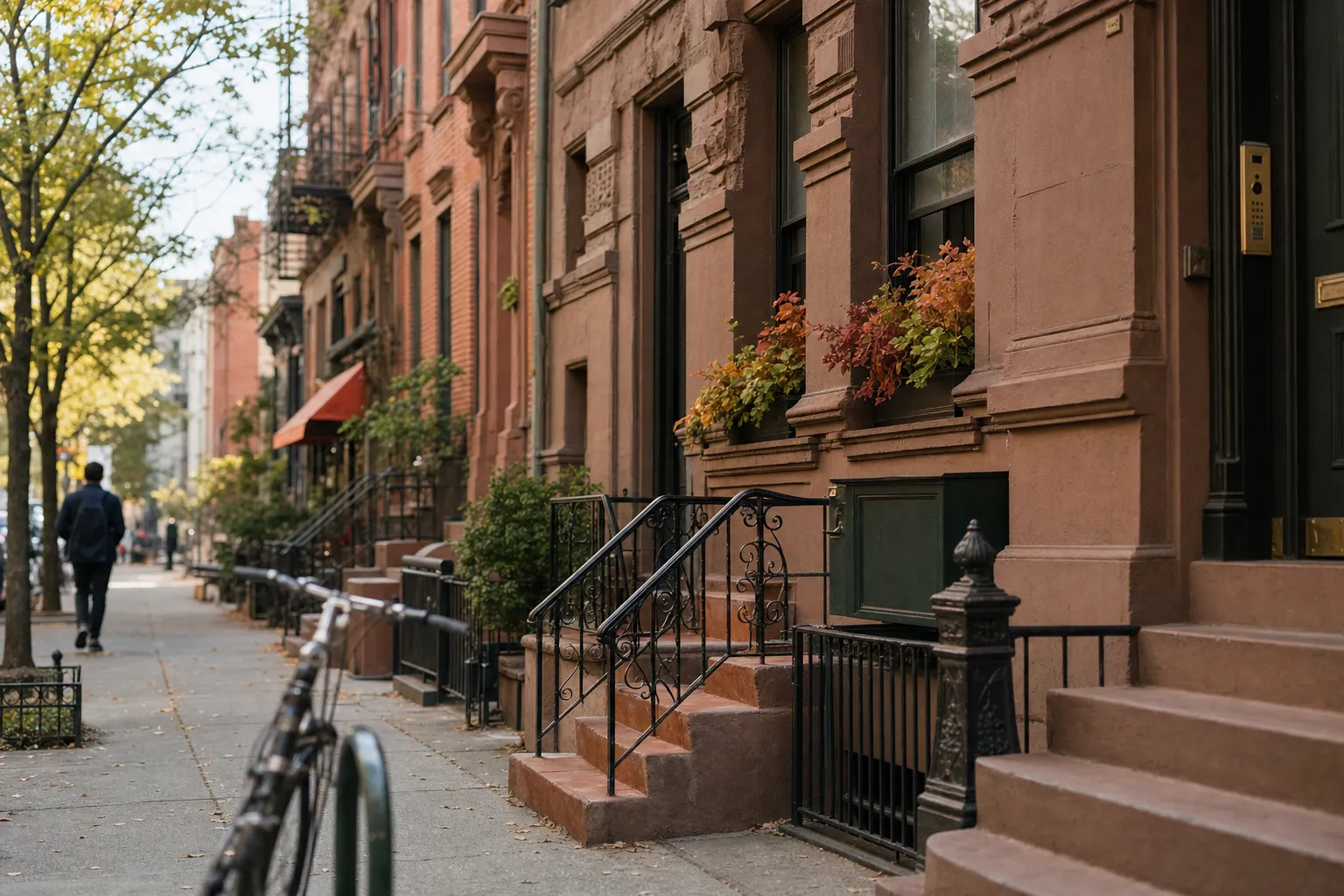
Condos are common in East Williamsburg because development near transit, strong buyer demand for walkable neighborhoods, and a steady flow of conversions and new projects have produced a robust supply of units. At Capri Jet Realty we also see that clear building inspection records, manageable condo fees, and predictable maintenance make condos easier to list and sell in this part of Brooklyn.
Why so many condos show up in East Williamsburg listings
Several practical factors make condos a frequent listing type in East Williamsburg. These are the patterns our agents see when we tour buildings and advise buyers and sellers.
- Proximity to transit and Manhattan commuting options attracts buyers who prefer low maintenance ownership.
- Commercial to residential conversions and new residential development have increased unit counts in walkable corridors.
- Developers and owners value the clearer title and financing pathways available for condo units compared with other ownership forms.
- Local demand from first time buyers, young families, and investors creates steady turnover.
These market realities shape both supply and buyer expectations, and they explain why condos are a common part of our inventory of Condos For Sale.
How building inspections influence condo availability and pricing
Building inspections matter more in condo markets like East Williamsburg because inspection results affect financing, resale timing, and buyer confidence. A straightforward inspection report can make a listing move faster and support a stronger offer. Conversely, deferred maintenance or unresolved building wide issues tend to slow sales and push buyers to request repairs or credits.
Why inspections carry weight for condos
- Many mortgage underwriters look for evidence that the building is well maintained, including common areas and building systems.
- Condo associations are responsible for shared systems such as roofs, facades, elevators, and mechanical systems, so building level issues affect every unit.
- Inspection findings help buyers assess potential assessments or capital needs that will influence condo fees.
For a deeper look at the inspection process and what inspectors examine in multifamily and condominium properties, see our topic on Building Inspections.
What inspectors typically review in a condo building and unit
Inspections divide into two focuses, the individual unit and the common building systems. Our agents recommend reviewing both before finalizing an offer.
- Unit level: plumbing fixtures, water stains, visible structural cracks, windows and doors, electrical outlets and panels, heating and cooling, and evidence of pests or water infiltration.
- Building level: roof and facade condition, elevator operation, fire safety systems, boiler and hot water systems, drainage, stairways, and any visible exterior deterioration.
Inspectors also note building code violations and open permits where visible. That information helps buyers and their lenders evaluate risk and timeline.
How buyers use inspection results when they are considering an East Williamsburg condo
Inspection reports inform three practical decisions buyers make: whether to move forward, what to ask the seller or association to address, and how to plan for future costs.
- Walk away or proceed. A clear report reassures buyers. Significant building wide problems often become deal breakers for buyers who need conventional financing.
- Repair requests. Buyers may ask for specific repairs or documentation that repairs are scheduled and budgeted by the association.
- Budgeting for assessments. If the inspection flags needed capital work, buyers can plan for potential future assessments that may raise condo fees.
Seller perspective and preparations
Sellers who expect inspections usually prepare by collecting building documents and addressing easy to fix issues. That preparation shortens the sales timeline and reduces surprises during due diligence.
Pre listing inspection checklist for condo sellers
- Recent building inspection or engineer reports, if any.
- Recent maintenance records for boilers, elevators, and roofs.
- Association financial statements and minutes from recent board meetings.
- Documentation of any ongoing or scheduled capital projects.
- Copies of certificates, open permits, and notice of violations if applicable.
Pro tip: Share recent association minutes and financials with prospective buyers early. That transparency reduces friction after an inspection report arrives.
Common inspection pitfalls to avoid in East Williamsburg
Some issues come up more often in our neighborhood work. Watch for them and plan accordingly.
Watch out: Older conversions sometimes show deferred maintenance hidden in mechanical rooms or on building exteriors. An inspection that focuses only on the unit can miss those building level needs.
- Assuming unit fixes resolve building wide problems.
- Skipping a building level review when the association recently changed management.
- Overlooking recent permits or notices from the Department of Buildings.
How we work with inspectors, contractors and boards
Capri Jet Realty draws on more than three decades of local experience and a professional network that includes attorneys, contractors, and inspectors. When buyers or sellers need guidance, we help connect them with licensed and insured inspectors and contractors and explain the inspection findings in plain language.
We also review association materials with clients and point out items that commonly affect closing timelines, such as upcoming capital projects or recent special assessments. Our role is to help you interpret the inspection, not to perform technical repairs.
If you want to read more about how condo fees and building finances affect ownership, see our topic on Condo Fees. For guidance on choosing representation for a purchase or sale, visit our Real Estate Agent page.
Key takeaway
Condos are common in East Williamsburg because of neighborhood development, transit access, and buyer preferences for low maintenance ownership. Building inspections are central to how those condos trade because they reveal building wide issues that affect financing, resale prospects, and condo fees. Working with licensed inspectors and reviewing association documents early reduces surprises.
Frequently asked questions
Do buyers always need a building level inspection for a condo?
Not always, but we recommend some form of building level review in addition to a unit inspection. Lenders and buyers place weight on the condition of common systems, so a review that covers the roof, facade, boilers, and elevators helps clarify risk.
Can a condo association block an inspection of common areas?
Associations routinely allow inspectors access to common areas during an active sale process. If access is restricted, the association should provide documentation and recent reports that address the inspection scope.
What should I look for in the association minutes and financials?
Check for recent special assessments, a capital reserve study, minutes that mention pending repairs, and the association reserve balance. These items indicate how prepared the association is for large repairs that could affect condo fees or assessments.
How long does a typical condo inspection take?
Unit inspections often take an hour to two hours depending on size and condition. Building level reviews will vary by building complexity. Your licensed inspector can give a time estimate based on scope.
Will an inspection affect my mortgage approval?
An inspection itself does not approve or deny a mortgage, but major building level problems can lead underwriters to require repairs, additional documentation, or higher down payment requirements. That is why we discuss inspection results early when advising buyers.
Learn more and check our local profile
Read Google reviews and get directions on our Google Business Profile to learn how clients describe working with Capri Jet Realty. To explore related content and services on our site, browse the topics and services we mentioned.