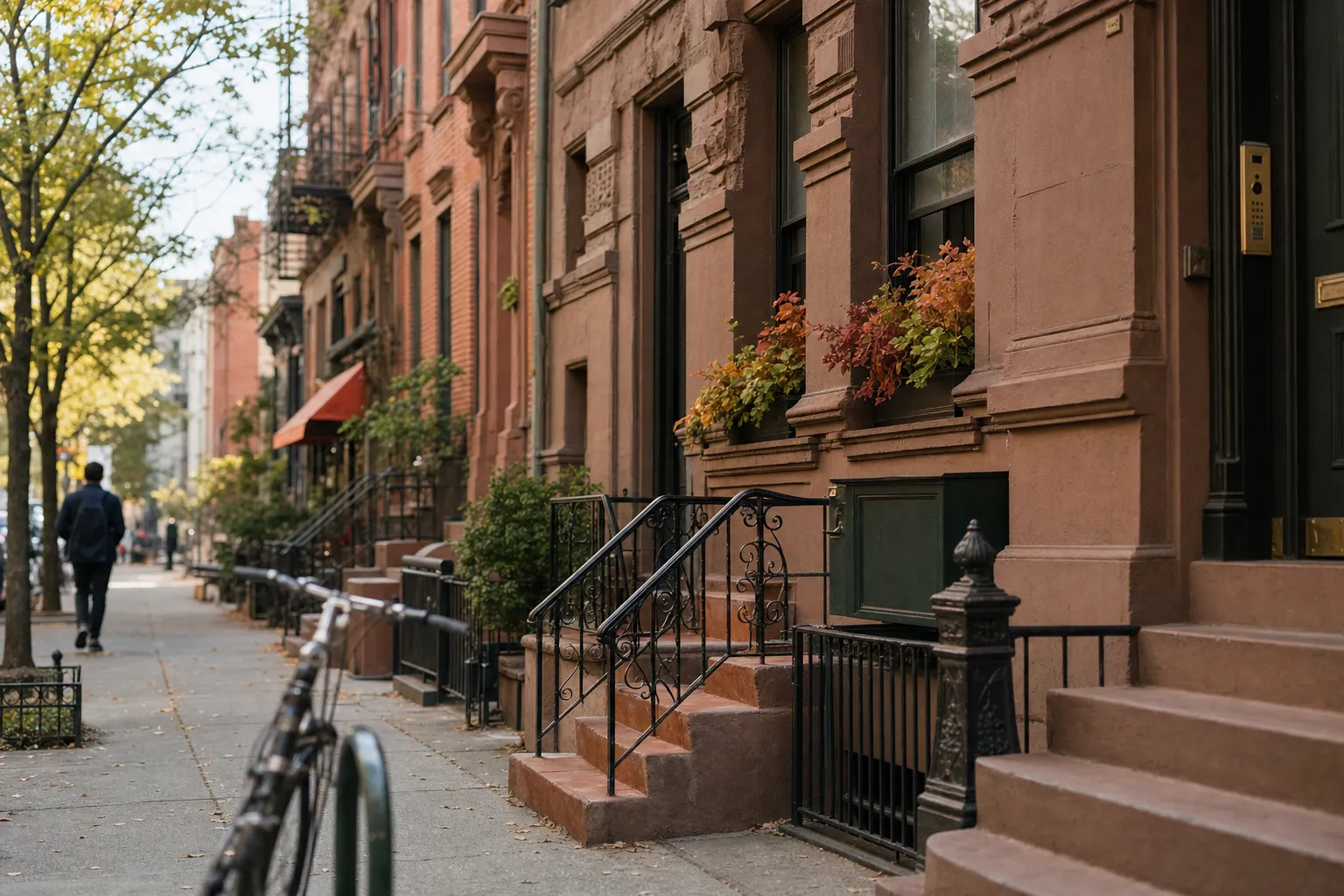
Condo fees in Bushwick Houses are monthly common charges owners pay to cover building operations, utilities for shared systems, maintenance of common areas, insurance for the building, and contributions to a reserve fund. We start by saying this plainly so you can use a short quotation when comparing buildings or discussing affordability.
What are condo fees and why they matter
Condo fees, sometimes called common charges, are the ongoing monthly payments every owner in a condominium makes to the condominium association or board. Those fees pay for the building running costs owners share, not for individual apartment utilities or personal expenses. How fees are structured and what they include directly affects your monthly housing cost, mortgage qualifying, and long term resale value.
For background on the role an agent plays when you buy or sell a home, see the general definition of a real estate agent on Wikipedia for context: Real estate agent.
How condo fees are set in New York buildings like Bushwick Houses
Condo boards prepare an annual budget that lists projected operating expenses, utilities, building staff, maintenance contracts, insurance, and a recommended reserve contribution. Owners vote to approve budgets through the board process defined in the bylaws. When actual costs exceed budgeted expenses, boards may levy a special assessment to make up the shortfall.
Local rules and tax treatment play a role in overall housing cost. For New York City property tax and related guidance, the Department of Finance is the authoritative source: NYC Department of Finance.
Key concepts to understand about condo fees
- Operating expenses. Day to day costs such as cleaning, doormen, landscaping, elevator maintenance, and insurance for common areas.
- Utilities and metering. Some buildings include heat, hot water, gas, or water in the fee. Others bill those separately.
- Reserve fund. Money set aside for large repairs like roof replacement, facade work, or elevator overhaul.
- Special assessments. One time charges owners pay when the reserve fund and budget cannot cover major or unexpected costs.
- Insurance. The building carries policies that cover common areas and the structure; owners carry individual HO6 policies for interiors and liability.
- Allocations and formulas. How a building divides costs among owners can be by unit percentage, square footage, or another formula in the bylaws.
What condo fees typically cover in Bushwick Houses
In our experience working across Brooklyn neighborhoods including Williamsburg and Bushwick, condo fees commonly pay for:
- Building staff salaries, for example doorman, superintendent, porters.
- Heating, water, trash removal and common area electricity when those utilities are shared.
- Elevator contracts and routine elevator inspections.
- Cleaning and maintenance for lobbies, corridors and shared amenity spaces.
- Insurance for the building structure, general liability and boiler coverage.
- Contributions to the reserve fund for long term repairs.
How fees affect buying power and financing
Mortgage lenders consider monthly condo fees when qualifying a buyer. High monthly common charges increase the debt service ratio and may limit the amount a lender will approve. Some lenders also review the building s financial health and the reserve level when underwriting loans for condominium units.
We also note that coops and condos are treated differently by lenders. For details on condo financing as you plan a purchase, see our companion page on Condo Financing.
Documents to request and review before you buy
Essential documents
- Offering plan and public offering statement. The legal disclosure that describes the condominium structure.
- Bylaws and declaration. Rules for governance, voting, and the fee allocation method.
- Minutes from recent board meetings. Look for repeated line items indicating deferred maintenance or litigation.
- Budget and financial statements for the last two to three years, including the reserve study.
- Certificate of no lien when required and current year insurance certificates.
- List of pending special assessments or known capital projects.
Red flags and warning signs
When evaluating a building in Bushwick Houses or nearby Brooklyn neighborhoods we watch for:
- Minimal reserves compared with age and complexity of the building systems.
- Repeated special assessments or annual fee increases out of line with local inflation.
- Ongoing or frequent litigation involving the association.
- Large deferred maintenance items identified in minutes without a clear funding plan.
- Unusual restrictions in the bylaws that could affect resale or subletting.
Watch out: A low monthly fee can be attractive, but it may mean the building is underfunding maintenance and will need an assessment later. Ask for the most recent reserve study and review it with your agent or attorney.
Questions to ask the board or management
- Reserve funding status. How much is in reserves, and when was the last reserve study completed?
- Recent and planned capital projects. Are there pending facade, roof, elevator or HVAC projects?
- Special assessments. Have there been recent assessments, and are any planned?
- Insurance coverage. What does the building s master policy cover, and what must owners insure?
- Income and financial surprises. Have there been unexpected budget shortfalls or one time costs in the last three years?
How we help buyers and owners evaluate fees
When we work with clients looking at condos in Bushwick Houses we review the building documents listed above, compare fee levels to nearby buildings, and explain how a given fee structure may affect resale and financing. Our local market experience in Brooklyn, and our network of attorneys, contractors, and mortgage brokers, helps us interpret reserve studies and budget notes so you understand the tradeoffs.
To learn more about our services around buying and selling condos, see our Real Estate Agent page and our Condos For Sale page.
Comparison: monthly fees versus potential special assessments
| What to expect |
|---|
| Monthly fee payments. Predictable, cover routine operations and planned reserves. Easier for budgeting. |
| Special assessments. Unpredictable, used for large or unbudgeted projects. Can be substantial and affect affordability after purchase. |
Local considerations for Bushwick Houses and Brooklyn
Buildings in Bushwick and greater North Brooklyn often balance older building stock with newer developments. Age, construction type, and whether a building has large common systems like central boilers or elevators affect reserve needs. Neighborhood demand and nearby comparables will also influence how a buyer should think about fees and long term resale.
For neighborhood level guidance, see our Neighborhood Guides and topic page on Condo Fees.
Practical steps to protect yourself as a buyer
- Ask for the full financial package early. Get budgets, reserve studies, and meeting minutes with your offer contingency when possible.
- Have your attorney review governing documents. Bylaws and the declaration determine fee allocations, leasing rules, and special assessment procedures.
- Discuss lender requirements. Confirm your lender accepts the building and understand how fees will factor into loan qualification.
- Get an independent inspection and contractor estimate. Understand near term maintenance needs so you can anticipate future assessments.
Pro tip: Review at least a year of utility bills and past maintenance invoices when available. They reveal trends the budget snapshot may not show.
Related services and pages that help
Beyond evaluating condo fees, buyers often need complementary services we provide or connect them to, such as comparative market analysis, building inspections, and guidance on offer negotiation. Explore these pages for deeper information:
Key takeaway
Condo fees are a significant part of ownership cost in Bushwick Houses. Understand what fees cover, review budgets and reserve studies, and factor fees into mortgage qualification and resale expectations. We can help interpret the documents and connect you to local professionals to fill any gaps.
Frequently asked questions
How can I tell if a condo fee is reasonable?
Compare the fee to similar buildings in the neighborhood, review what the fee includes, and check the reserve fund level and recent special assessments. A reasonable fee covers expected operating costs and contributes to reserves without frequent emergency assessments.
What is a reserve study and why does it matter?
A reserve study projects the timing and cost of major repairs and estimates how much money the association should keep in reserves. A current reserve study indicates a board is planning for large repairs rather than relying on surprise assessments.
Will a high condo fee stop me getting a mortgage?
Not automatically, but lenders include monthly condo fees in the borrower s debt to income calculations. Very high fees can reduce the loan amount you qualify for, and some lenders have additional building level requirements.
What should buyers ask for in the offer related to condo fees?
Buyers commonly ask for a reasonable time to review the association s financial package, or include contingencies permitting cancellation if major undisclosed assessments or financial issues are discovered. Your attorney and agent can help craft appropriate language.
Learn more and check our reviews
Read Google reviews and get directions from our Google Business Profile to learn how Capri Jet Realty, Corp. works with buyers and owners in Bushwick Houses and throughout Brooklyn. For more details on condo fees and related topics, explore our topic pages and service pages listed on this site.